April 9, 2026
In this article, we will explore effective methods to reduce water heater energy expenses, helping you save money while maintaining efficiency. These strategies range from simple adjustments to smart technology investments. Reducing your water heater energy usage is not only beneficial for your wallet but also contributes to environmental sustainability.
With rising utility costs, it's imperative to adopt efficient energy practices. According to research from the U.S. Department of Energy, heating water represents approximately 18% of a typical household's energy consumption, often ranking as the second-most expensive utility cost behind space heating and cooling. By addressing this specific area, you can significantly lower your monthly bills. However, if your system is old or leaking, you may need professional water heater repairs to restore peak performance.
Opting for Proper Temperature Settings
Setting your water heater to the right temperature is important for both efficiency and safety. Experts recommend a setting of 120°F (49°C) as it offers a balance between hot enough for personal use yet not so high that it wastes excessive energy. Maintaining this temperature prevents both energy waste and potential harm from excessively hot water. Energy savings accumulate over time, as even a small change can lead to reduced operational costs. Adjusting your heater to the recommended setting is a simple but critical step in energy management.
Understanding the Benefits of Lower Temperatures
When you lower the temperature setting on your water heater, you decrease energy consumption and extend the appliance's lifespan. Less strain is put on the system, reducing wear and tear. Additionally, lowering the temperature can prevent scalding incidents, enhancing household safety. Utility bills often see noticeable reductions, making this an economically sound practice. By optimizing temperature settings, your water heater operates more effectively, reducing one of the most significant energy expenses in your home.
Following Thermostat Adjustment Instructions
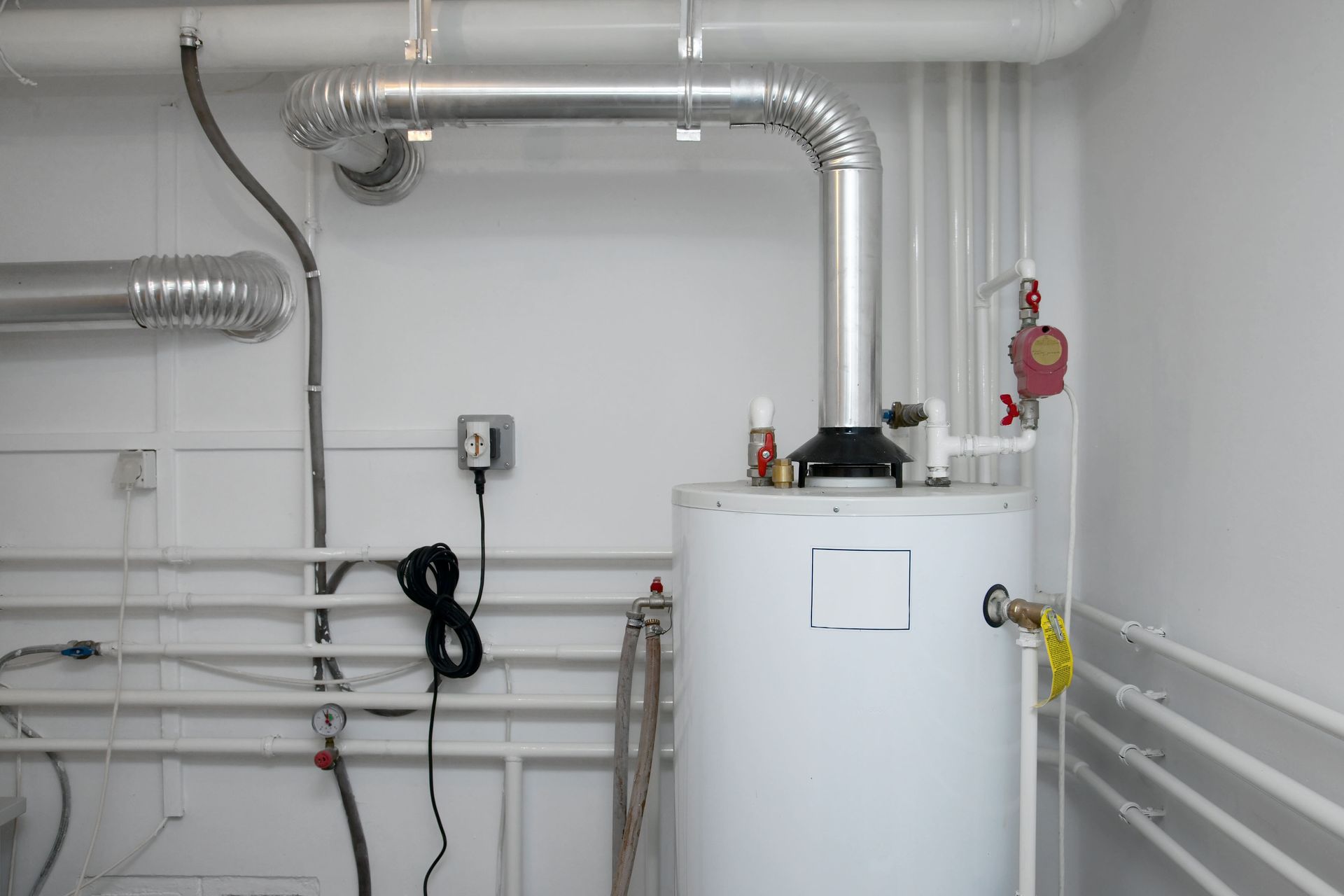
Locating and adjusting the thermostat on your water heater is typically straightforward, yet essential for improving energy efficiency. For electric heaters, the thermostat is usually behind an access panel. Gas heaters have a dial located at the bottom of the tank. Carefully adjust these settings to the optimal 120°F (49°C) range for safety and efficiency. Regularly checking the thermostat verifies it remains at the desired temperature, optimizing performance and savings over time. If the dial seems stuck or unresponsive, it might be time to call for water heater repairs.
Upgrading to a High-Efficiency Water Heater
Modern water heater models, specifically those with an ENERGY STAR rating, offer significant energy savings and performance improvements. These units have higher efficiency ratings compared to older models, meaning they use less energy to heat the same amount of water. Enhanced insulation and advanced heating elements reduce energy loss, contributing to overall efficiency. Investing in these models reduces your carbon footprint while decreasing energy bills. Long-term savings from reduced energy consumption often justify the initial investment.
Exploring Types of High-Efficiency Water Heaters
When considering an upgrade, there are several high-efficiency options to explore. Tankless water heaters heat water on demand, eliminating the need to maintain a full tank at a set temperature. Heat pump water heaters use electricity to move heat from one place to another instead of generating it directly, making them more efficient. Solar water heaters harness energy from the sun, providing a renewable source for heating water. Each type offers unique advantages, catering to different household needs and environmental goals.
Conducting a Cost-Benefit Analysis
Although high-efficiency water heaters have a higher upfront cost, the long-term savings on utility bills make them a worthwhile investment. Conducting a cost-benefit analysis helps you understand the potential savings versus initial expenses. Over time, reduced energy bills offset the initial investment of these modern units. Many of these systems are eligible for incentives and rebates, further reducing the effective cost. By choosing the right model for your home, you achieve both economic and environmental benefits.
Insulating Your Water Heater and Pipes
Insulating your water heater and pipes helps minimize heat loss and enhances energy efficiency. This is especially crucial in colder climates where the disparity between the tank temperature and ambient room temperature is significant. By retaining heat, insulation reduces the need for frequent reheating, thus conserving energy.
This simple yet effective measure can also prolong the life of your unit by reducing thermal strain. Many homeowners find that professional water heater repairs are needed less frequently when the system is properly insulated against harsh ambient temperatures. Overall, insulation is a cost-effective gain resulting in measurable energy savings and a more resilient heating system.
Choosing the Right Insulation Material
Selecting the appropriate insulation material is essential for maximizing energy efficiency. Fiberglass insulation blankets are commonly used for heaters, while foam pipe insulation is ideal for surrounding pipes. These materials are affordable and available at most hardware stores. For maximum effectiveness, the entire heater and connected pipes should be covered, particularly in unheated areas like basements or garages. Proper installation not only cuts energy consumption but also guards pipes against freezing in cold weather.
Implementing Efficient Water Usage Habits
Reducing overall water usage has a direct impact on the energy consumed for heating. When less water is used, the heater operates less frequently, leading to conservation of both water and electricity. This holistic approach not only decreases utility bills but also supports sustainability efforts. Simple habits like turning off the tap while brushing and reducing shower time significantly contribute to this. Water conservation efforts align with cutting residential energy usage.
Installing Low-Flow Fixtures
Installing low-flow showerheads and faucets is an effective way to conserve water, reducing the demand on your water heater. These fixtures limit water flow without sacrificing pressure, thereby lowering the volume of hot water used. The reduced usage translates into energy savings as the demand for heated water decreases. These fixtures are affordable and immediately begin contributing to lower water and energy bills. Transitioning to low-flow options is a small change with substantial long-term benefits.
Performing Routine Maintenance and Leak Checks
Regular maintenance and leak checks are crucial to preventing unnecessary water loss and energy waste. Even small leaks can culminate in significant water and energy wastage over time. Regularly inspect your plumbing for any signs of leaks and address them promptly. Perform routine maintenance, such as flushing the water heater to remove sediment buildup, which improves efficiency. If you notice persistent puddles or strange noises, scheduling water heater repairs can prevent a minor leak from turning into a major flood.
Installing a Timer on Your Water Heater
Water heater timers are devices that allow you to control the operation times of your water heater to coincide with household hot water needs. By programming a heater to operate during off-peak hours, you can capitalize on lower energy rates. This strategic usage minimizes electricity costs and aligns operations with household utilization patterns. Timers are especially worthwhile for electric water heaters in areas with variable utility rates. Implementing this tool can result in notable energy savings.
Choosing the Right Timer Model
To optimize function and energy savings, selecting the right timer model is essential. There are mechanical and digital models available, with different features tailored to varying preferences. Consider factors such as the type of water heater in your home, household hot water usage patterns, and personal scheduling needs. Digital models often offer more precise control and flexibility, accommodating complex schedules. Compatibility between the timer and your existing setup is crucial for maximum benefit.
Managing Timer Installation
Installing a timer on your water heater is a process that delivers immediate benefits. Begin by selecting a timer suitable for your heater type and reading the manufacturer's instructions carefully. Installation typically involves connecting the timer to the heater's electrical feed. For safety and compliance, use a qualified electrician to help with the installation if you're unfamiliar with electrical work. Once installed, the timer allows seamless management of the heater's operational schedule. If the timer fails to trigger the heater, you may need to look into professional water heater repairs.
Moving towards energy-efficient water heating options is a responsible choice with lasting benefits. Enhanced efficiency translates into reduced energy bills and a lower overall environmental impact. If you are experiencing inconsistent temperatures or high bills despite your efforts, you may need professional help. Contact Custom Fit Plumbing today for all your water heater repairs and maintenance needs. We are here to help you restore efficiency and comfort to your home.